
The Real ROI Math on Weekly vs. Monthly Construction Drone Monitoring
- Harlon Mark
- 4 hours ago
- 2 min read

The honest answer to "how often should we fly progress monitoring" isn't a fixed rule, it's a question of matching flight frequency to how fast your specific project phase is actually changing. But the cost difference between getting that cadence right and getting it wrong is worth doing the actual math on, not just guessing.
What the numbers actually look like
Per-visit drone monitoring pricing commonly runs $200 to $500 depending on site size and whether the deliverable includes video, with monthly or weekly contracts typically bringing the effective per-visit cost down 15-25% compared to booking single visits ad hoc. A full-project program spanning 6 to 18 months commonly totals $5,000 to $15,000+ depending on scope and frequency.
Here's the comparison that actually matters: on a $10 million commercial project, a monthly monitoring program at roughly $300 per visit totals about $3,600 across a full year, on the order of 0.036% of total project cost. Even doubling that to a weekly cadence for a fast-moving phase still lands well under a tenth of one percent of overall project value.
Why the cadence question isn't really about the dollar difference
At that scale, the per-visit cost difference between weekly and monthly monitoring is close to a rounding error against total project value. The real question isn't "can we afford weekly instead of monthly", it's "which phase of this project is changing fast enough that monthly data would already be stale by the time someone looks at it."
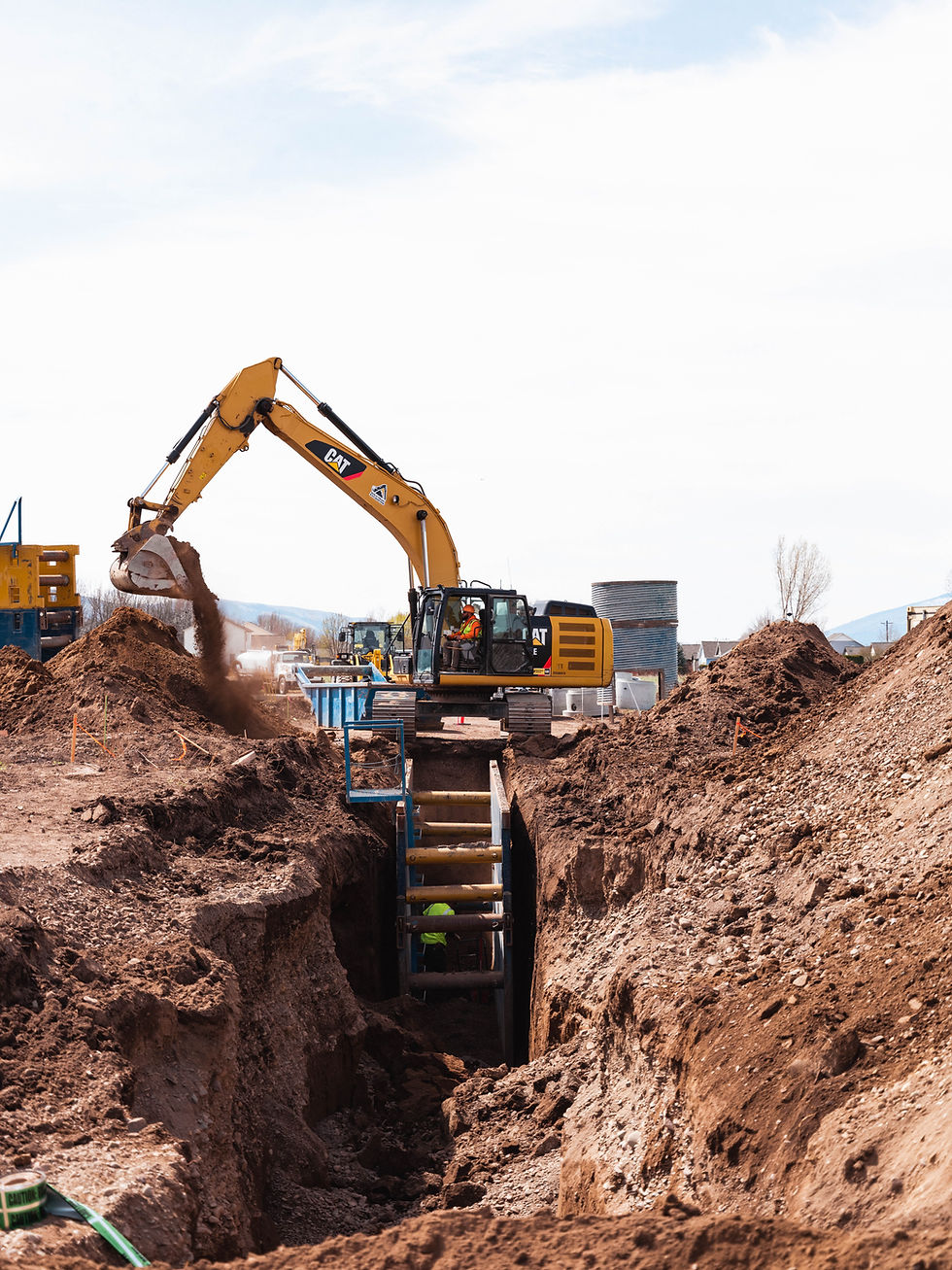
Fast-track commercial builds where site conditions change rapidly, active earthworks, structural steel erection, generally warrant weekly flights, because a month-old progress photo during a phase like that is closer to useless than useful for the stakeholders relying on it.
Standard commercial projects moving at a more typical pace are commonly documented biweekly, a cadence that keeps pace with actual visible change without paying for data density the project doesn't need yet.
Slower phases — permitting delays, long-lead material waits, extended finishing work, are often adequately served by monthly visits, since more frequent capture wouldn't actually show meaningfully more change between visits.
The mistake worth avoiding
The costliest error isn't picking the wrong cadence, it's locking one cadence in for the full project duration regardless of phase. Most monitoring contracts allow visit frequency to adjust as a project moves through different phases, and a project that starts on monthly monitoring during site prep can reasonably shift to weekly once vertical construction accelerates, then back down once a slower finishing phase begins.
The practical takeaway
Before setting a flat cadence for an entire project, map out which phases are genuinely fast-changing and which aren't, the cost difference at any reasonable frequency is small enough relative to total project value that the real decision is about data usefulness, not budget.
This is a focused look at one part of a much larger picture, read the complete guide to aerial construction progress monitoring for the full picture on volumetric verification, Digital Twins, and building a full-project program. See theAnnual Construction Intelligence Program™ for current pricing.


Comments